
Every year, thousands of women suffer heart attacks and strokes, yet many don’t recognize the warning signs because they look different from the well-known symptoms in men. With Wear Red Day in February – a day dedicated to raising awareness about heart disease in women – it’s the perfect time to educate ourselves and others.
Disclaimer: The following is generalized information/symptoms and everyone’s symptoms can be unique.
Heart Attack Symptoms: Women vs. Men
Most people associate heart attacks with sudden, crushing chest pain or pain in the left arm, but for women, symptoms are often more subtle.
Common Male Symptoms:
- Intense chest pain or pressure
- Shortness of breath
- Pain radiating down the left arm
- Cold sweats
- Nausea
Common Female Symptoms:
- Shortness of breath, even without chest pain
- Unusual fatigue (often mistaken for stress or exhaustion – so common for moms!)
- Nausea or vomiting
- Lightheadedness or dizziness
- Discomfort in the jaw, neck, back, or stomach
- Pain in one or both arms
Women often dismiss their symptoms as stress or indigestion, delaying life-saving care. If something feels “off,” don’t ignore it – trust your instincts and seek medical attention.
Stroke Symptoms: Women vs. Men
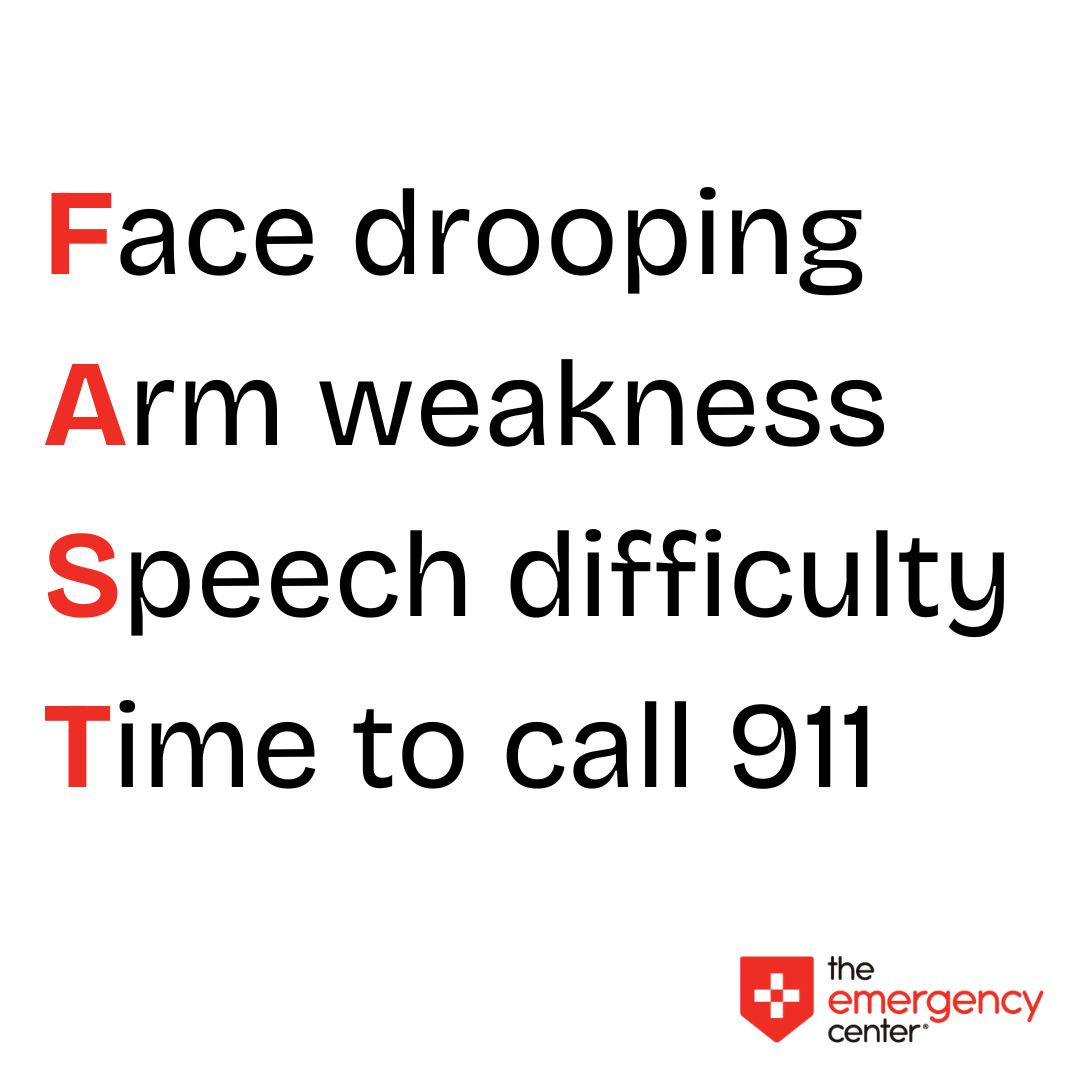
A stroke happens when blood flow to the brain is blocked, and immediate action is critical. The acronym FAST is a great way to remember the main warning signs:
However, women may also experience additional symptoms, including:
- Sudden confusion or memory problems
- Hiccups
- Nausea
- Extreme exhaustion
- Shortness of breath
- Seizures
Risk Factors: What You Can & Can’t Control
While some risk factors are beyond our control, many lifestyle choices can significantly reduce the chances of heart disease and stroke.
Risk Factors You Can’t Control:
- Age: Risk increases as we get older.
- Family History: If close relatives have had heart disease or stroke, your risk may be higher.
- Gender: Women’s symptoms can be harder to recognize, leading to delayed treatment.
- Certain Medical Conditions: Autoimmune diseases, like lupus, and pregnancy-related conditions, like preeclampsia, increase the risk.
Risk Factors You Can Control:
- Diet: A heart-healthy diet rich in fruits, vegetables, and lean proteins can lower cholesterol and blood pressure.
- Exercise: Regular physical activity strengthens the heart and improves circulation.
- Smoking: Quitting smoking dramatically lowers your risk.
- Stress Management: Chronic stress and lack of sleep can increase your risk—take time for self-care.
- Blood Pressure & Cholesterol: Regular check-ups help detect and manage these silent threats.
Why Wear Red Day Matters
National Wear Red Day isn’t just a fun themed day – it’s about taking action. It’s a reminder that heart disease is the leading cause of death for women, yet many cases are preventable. By wearing red, sharing this information, and prioritizing our own heart health, we can protect ourselves and the ones we love.
This year, for Wear Red Day, let’s join The Emergency Center at Conroe and make a commitment to listen to our bodies, advocate for better awareness, and take heart health seriously – because moms have a lot of love to give, and that starts with taking care of ourselves.
This blog is supported by The Emergency Center, now open in Conroe at League Line Rd. and I-45N. The Emergency Center at Conroe is a 24-hour emergency room staffed with a team of compassionate, board-certified emergency physicians who are dedicated to providing the best care possible. From minor injuries to serious medical conditions, The Emergency Center at Conroe is here with fast, attentive and empathetic care whenever you may need them – 24/7/365, holidays and weekends included.
This information has been verified by Jeff Erdner, D.O., President – Texas Division, The Emergency Center